One of the most compelling aspects of Andrej Karpathy’s career is not only his technical excellence in artificial intelligence, but his role as a knowledge creator. Before becoming widely recognized for his work in industry, Karpathy developed and taught the Stanford course CS231n, a deep learning class that began as a relatively small academic effort and quickly grew into a globally influential resource. What makes this particularly interesting is how it started: not as a polished product, but as a focused attempt to better explain and organize complex ideas while he was still deeply immersed in learning them himself.
This “build while learning” approach defines much of Karpathy’s educational philosophy. Rather than relying on abstract tools or high-level explanations, he is known for reconstructing systems from first principles. His later work, such as the “Neural Networks: Zero to Hero” series, reflects years of refining how to communicate difficult concepts in a way that is both rigorous and accessible. In essence, his teaching is not separate from his learning: it is an extension of it.
A similar, although more modest and time-constrained, path can be seen in the long-term development of my personal «BIM Zero to Hero«. Over the years, more than 900 articles focused on Revit Architecture have been written by me, and published openly online (yolandamuriel.com), driven by a persistent habit: documenting what was being learned, step by step, as a way to better understand it. This was not a full-time endeavor, but something built alongside a demanding professional career, often in limited hours outside of work.
The comparison with Karpathy is not about scale or visibility, but about direction. Both approaches are rooted in the same principle: learning deeply by explaining, and building knowledge in public as a way to reinforce understanding. Even when developed under different conditions—less time, fewer resources, and a different field—the underlying method remains powerful.
In that sense, this approach points toward a broader shift in how technical expertise can be developed. Instead of relying exclusively on formal programs or structured degrees, there is a growing case for learning through continuous practice, documentation, and teaching. Over time, this not only strengthens individual mastery but also creates valuable resources for others—turning personal learning into shared infrastructure.
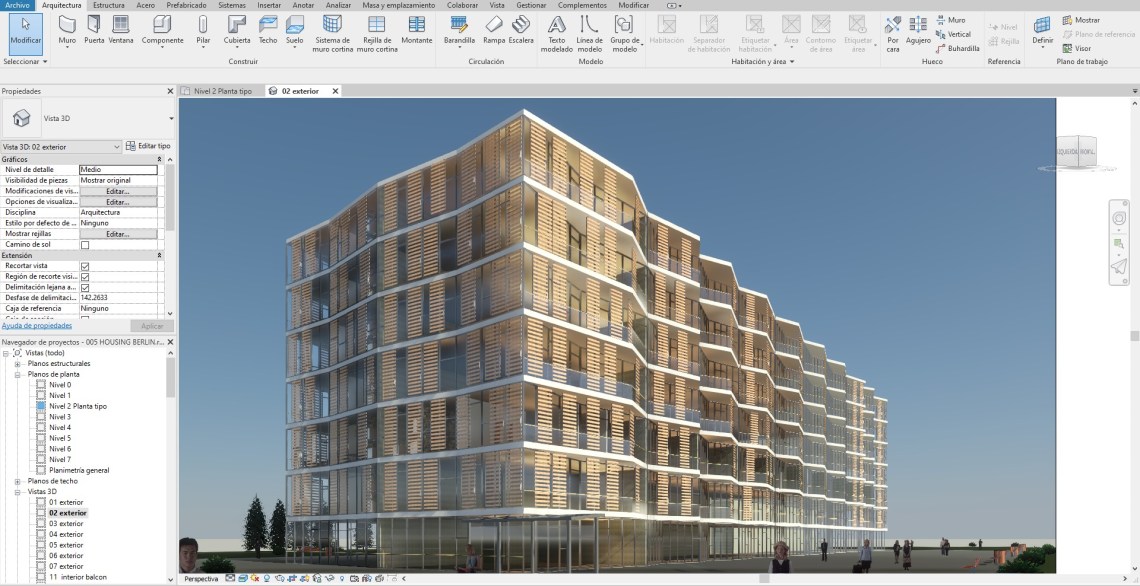
© Image. BARCELONA BIM
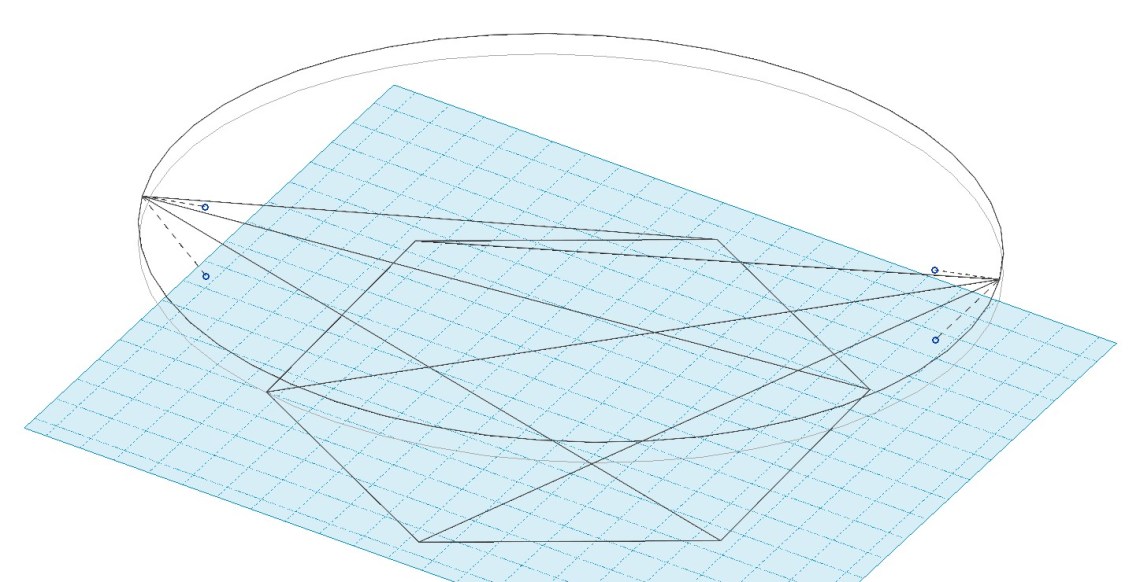
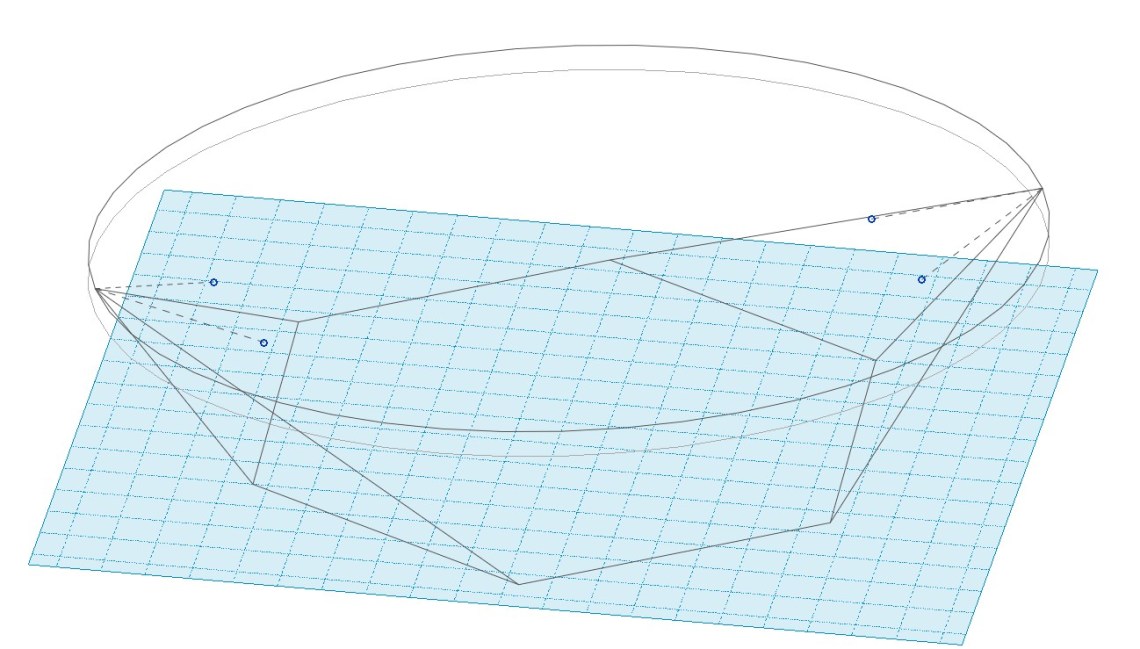
 @Yolanda Muriel


